Table of Contents
Tips to Avoid Over-Borrowing with Online Quick Loans
By PocketMitra | March 04, 2026
Introduction
Many people are trapped in a cycle of debt due to online quick loans, which makes borrowing incredibly easy. When you borrow to juggle multiple EMIs, you will certainly lose some sleep over repayments.
If you go through a guide, you will realise that getting a 3000 Instant Loan or a 20000 Instant Personal Loan is not the ultimate problem. As long as you borrow money within your financial means, you are good to go, but the problems begin when you go over.
What Is Over-Borrowing?
Overborrowing is when you take out loans over your ability to pay them back. It is not about the volume you receive.
If you get a loan for rent of 50,000, but your salary is 30,000 a month, that means you are not going to meet your basic needs while getting that amount, and when secondary needs are added, you are going to take out another loan, just to get through the month.
Why Over-Borrowing Happens
The Speed Trap
Over digital platforms, loans get approved within minutes. It is an astonishing speed that potentially bypasses thinking. Before deciding whether you genuinely need ₹20,000 or just ₹12,000, you will click 'Submit'.
Financial Literacy Gaps
The faults in understanding of financial literacy are critical in the case of over-borrowing. Loans snowball in interest until they are an inescapable problem.
Panic Borrowing
Cases of emergencies such as health crises or sudden job losses induce panic. In such scenarios, people tend to request more money than they actually need.
Missing Budget Awareness
If you have not documented your expenses, you have no control over your finances. There are already commitments that eat up around 70 per cent of your income, leaving no space for additional EMIs.
7 Benefits of Responsible Borrowing
1. Credit Score Protection
Every payment that is processed on time increases your score positively. Borrowers who have a record of payment discipline tend to get better rates and have higher limits with lenders.
2. Stress-Free Finances
If the EMIs are within your financial means, you will have a more stress-free loan payment experience. You will not have to give up on necessities such as food, as you will be able to meet your financial obligations.
3. Massive Interest Savings
When you borrow ₹10,000 instead of ₹20,000, you save a lot of money that would have gone to interest, more than you would think.
4. Emergency Readiness
If you borrow responsibly, you will be able to withstand emergencies that require a high level of expense. Costly borrowing options will not be your only option.
5. Better Loan Terms
If you want control over the terms of the loan to your liking at a lower interest rate, you need to have a clean record of paying your loan in the agreed time.
6. Wealth Building Opportunities
When you are not over-borrowing, you have more liquid resources that you can allocate to savings and investments, allowing you to build your assets.
7. Economic Shock Absorption
Job loss becomes manageable when commitments are reasonable. You won't be defaulting straight away and will be able to protect your credit standing. The FTC has stated that you will be able to avoid predatory debts as long as you make informed decisions with your borrowing.
How to Avoid Over-Borrowing
Calculating Exact Needs
Create a comprehensive overview of the expenditures which need to be covered and total them accurately without inflating the costs. If your car needs repairs that cost ₹7,200, for example, there is no reason to ask for ₹15,000 "just in case."
Assessing Repayment Capacity Honestly
The 40% debt rule states that monthly debt payments of any kind should not exceed 40% of your income. If you make ₹25,000 a month, for example, your total EMIs should be under ₹10,000.
Comparing Offers Thoroughly
The first loan you see is not always the best, and loan interest rates, processing fees, and any additional hidden costs should be considered. The following tips for responsible quick loan borrowing mean choosing lenders with clear terms when borrowing money quickly and responsibly.
Choosing Shorter Repayment Periods
Longer repayment periods might seem attractive as you are paying less each month; however, a 12-month loan is likely to cost you less money overall in interest.
Using EMI Calculators
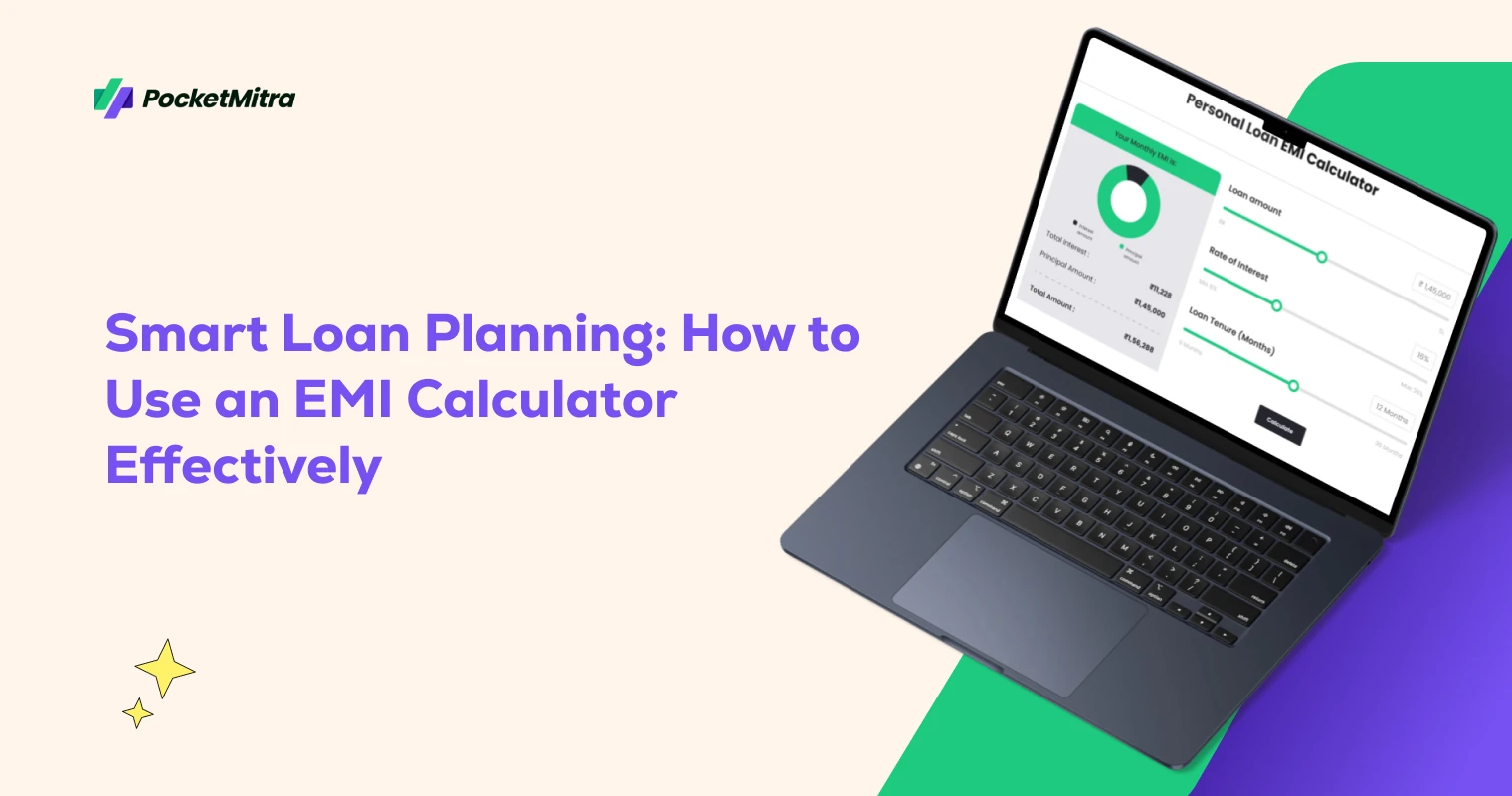
Borrowers can experiment with various amounts and tenures on online calculators before applying to know precisely how much they would be obligated to pay each month. Investopedia reports that having a complete picture of loan costs leads to better financial decisions.
Setting Up Automatic Payments
Automated payments of loans can help borrowers avoid missed payments. It is advised to keep a buffer balance in the account to account for delays when a salary is credited and when the loan payment is deducted. Understanding safe ways to take instant loans online includes setting up these automated systems.
Emergency Fund
To ensure adequate amounts are saved to reduce the need for a loan, online personal loans can be taken to lower financial health risks. It is advisable to set aside a small amount every month while repaying a loan to build a buffer emergency fund.
Conclusion
There are various tools available to help with over-borrowing. With tools that allow for precise estimation of loan amounts and a genuine assessment of repayment ability, borrowers can get the digital lending benefits and stay financially stable.
Make sure to continue these responsible borrowing practices around borrowing. These tools ensure over-borrowing is a thing of the past.
FAQs
Why do borrowers tend to borrow more than needed with online loans?
Since the online personal loans get instant approvals, they tend to skip the more thoughtful planning needed to decide how much to borrow. Lack of understanding of how loans and interest work also enables borrowers to apply for loans of larger amounts.
How do I figure out how much I really need to borrow?
Make a sufficiently detailed budget with documented and specific expenses. The 40% debt-to-income ratio is a rule to keep in mind as well. Make sure your total monthly debt expense does not exceed 40% of your monthly income.
Is it harmful to apply to multiple loan applications at once?
Yes, it is. When you apply for loans, each application creates a hard inquiry on your credit report, which pulls down your score. Multiple hard inquiries greatly injure your credit.
Are borrowers more in over their heads with short-term loans?
Actually, the contrary is true. Longer loans tend to have a larger over-borrowing problem because with larger loan amounts, monthly payments tend to get larger, forcing a more realistic approach.
How do payment reminders or auto-debiting work?
Auto-debit works as a good way to prevent the default of a loan because if a payment is missed, the person is more likely to get hit with a penalty. With auto-debiting, it works to eliminate forgetfulness as a repayment barrier.
What should I do if I have too much debt already?
First, stop borrowing altogether. Try to list your borrowers in order of how much interest you pay to them. Contact them to renegotiate your debt terms. Seek debt consolidation or find a nonprofit credit counsellor.